The Agile Samurai: A Book Review
Why The Agile Samurai's clear, practical approach makes it valuable not just for team leaders, but for developers at any level who want to understand and thrive in Agile environments.
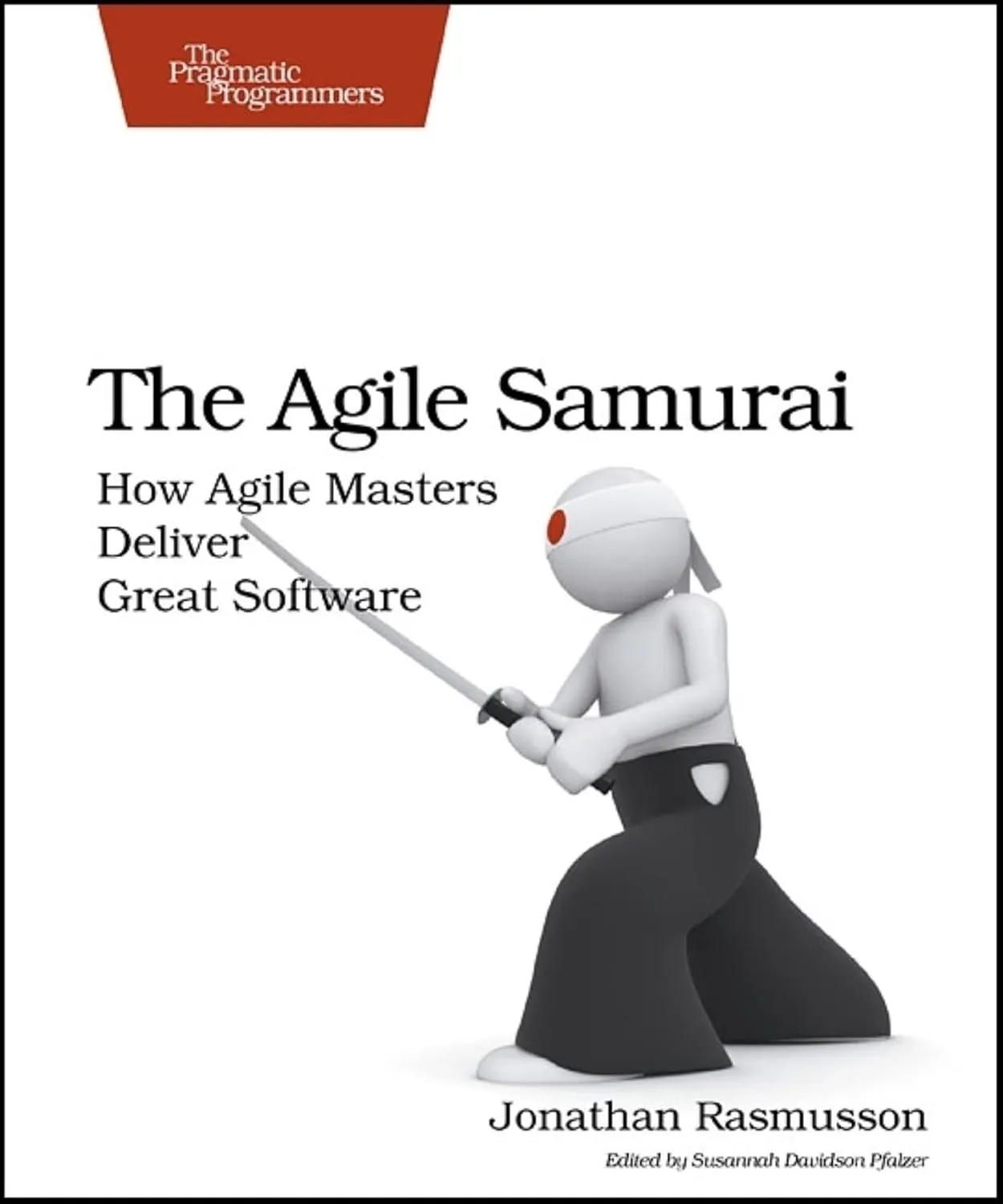
Agile gets talked about a lot, but it’s not always talked about clearly. The Agile Samurai by Jonathan Rasmusson is one of those rare books that actually makes Agile feel simple, practical, and usable. It’s written with team leaders in mind, but it’s just as useful if you’re a developer trying to understand how Agile really works day to day. What stood out to me most is that it gives you a solid mental model for Agile, not just a list of ceremonies or buzzwords to memorize.
What Makes It Special
Most Agile books fall into one of two camps: they’re either so theoretical that they feel disconnected from real work, or they’re just quick checklists with no real depth. The Agile Samurai hits a sweet spot in the middle. Rasmusson writes in a way that’s clear, direct, and easy to follow. Concepts build on each other, the examples feel real, and you’re never left wondering how you’d actually use an idea on a real team.
One of the book’s biggest strengths is how well it’s structured. Instead of feeling like a collection of random essays, it walks you through the whole Agile lifecycle from planning to delivery. You can read it straight through and get a clear picture of how everything fits together, or you can dip into specific chapters when you need a refresher.
Even though it’s aimed at people running Agile teams, the way it explains things makes it incredibly valuable for developers at any level. That actually makes a lot of sense: Agile only really works when everyone on the team understands what’s going on, not just the person holding the title of Scrum Master or team lead.
The Core Message: Agile as a Mindset, Not a Process
The main idea running through The Agile Samurai is that Agile is more about mindset than mechanics. It’s not about perfectly following a checklist of meetings or artifacts. Rasmusson keeps coming back to the idea that if you copy the surface-level practices without understanding the “why” behind them, you end up with cargo cult Agile: you’re doing all the things, but not getting the results.
At its heart, Agile is about:
- Embracing change: Recognizing that requirements will evolve and building systems that can adapt
- Delivering value early and often: Getting working software in front of stakeholders quickly
- Collaboration over documentation: Prioritizing communication and working software
- Responding to feedback: Using real feedback to guide development rather than assumptions
- Sustainable pace: Building in a way that can be maintained long-term
Once you really understand these principles, everything else starts to make more sense. You understand why you’re doing daily standups, why work gets broken into small stories, and why some features are prioritized over others. Whether you’re leading a team or just getting started as a developer, these ideas give you a useful way to think about your work.
Key Concepts That Resonate
1. User Stories Done Right
Rasmusson gives one of the clearest explanations of user stories I’ve seen. He breaks down the classic “As a... I want... So that...” format and shows how to write stories that are concrete enough to act on, but flexible enough to leave room for discovery. The key idea is that stories are meant to spark conversations, not replace them.
2. The Agile Inception Deck
The book also introduces the idea of an inception deck: a set of questions a team walks through together before really getting started. Even if you're a junior developer, knowing these questions (Who are we building for? What problem are we solving? What does success look like?) helps you see the bigger picture and make better everyday decisions.
3. Estimation and Velocity
The way the book explains story points, planning poker, and velocity is refreshingly straightforward. Instead of treating estimation like some mysterious ritual, Rasmusson frames it as a simple tool for planning and setting expectations. When you understand it this way, it becomes much easier to contribute to sprint planning and feel confident speaking up during retrospectives.
4. The Definition of Done
The book also leans heavily on the idea of a shared Definition of Done: a clear, agreed-on standard for what “finished” actually means. This matters a lot for developers because it removes a ton of ambiguity and keeps quality consistent. It’s the kind of thing that seems obvious once you’ve seen it, but in practice it’s often missing or fuzzy on real teams.
5. Dealing with Change
Rasmusson doesn't just say "requirements will change." He explains why change is normal and how you can use it to your advantage instead of fighting it. That perspective helps make sense of a lot of real-world decisions, especially around architecture and design. It also helps you stay calmer when priorities shift mid-sprint (because they will).
6. Communication Patterns
The book keeps coming back to communication. Daily standups, retrospectives, and demos aren't just calendar events you have to sit through; they're structured ways to share information, surface problems early, and keep everyone on the same page. Once you see them that way, it’s a lot easier to take them seriously and contribute in a meaningful way.
The Agile Philosophy in Practice
What makes The Agile Samurai stand out is how it connects everyday Agile practices back to simple principles. You don't just learn what to do. You learn why you're doing it and how to adjust when things inevitably change.
When you start to really internalize that Agile mindset:
- You contribute more effectively: Understanding the "why" behind Agile practices helps you participate meaningfully in ceremonies and planning
- You make better decisions: You can evaluate trade-offs and make recommendations based on Agile principles
- You communicate better: You understand how to share progress, concerns, and blockers in ways that help the team
- You prepare for leadership: Even as a junior developer, understanding these concepts prepares you for taking on more responsibility
Why It Stands the Test of Time
Agile has evolved a lot since The Agile Samurai came out (new frameworks, new terminology, new tooling), but the book still holds up. That’s because it doesn’t tie itself too tightly to any one flavor of Agile or specific toolset. It stays focused on the core ideas.
Ideas like iterative development, responding to change, and prioritizing working software over documentation are just as relevant today. Whether your team uses Scrum, Kanban, or some mix of different approaches, the fundamentals from this book still apply.
Because the book focuses on clarity and practical application, you don’t have to be in a “by the book” Agile environment to get value from it. You can take what resonates and apply it in whatever context you’re working in.
Who Should Read This Book
While The Agile Samurai is technically aimed at team leads and people running Agile teams, it’s useful for a much wider audience:
- Team leaders and Scrum Masters: The primary audience, who will find a complete, practical guide to running Agile teams
- Junior developers: Even if you're early in your career, you'll run into the same expectations: understanding sprint planning, writing good user stories, contributing to retrospectives, and communicating clearly with your team
- Mid-level developers: Those ready to take on more responsibility will find this book provides the foundation for understanding how to lead Agile practices
- Senior developers: Even experienced developers can gain clarity on concepts they may have learned piecemeal over the years
- Anyone new to Agile: The clear, step-by-step approach makes this one of the best introductions to Agile available
The book's clear layout and practical focus make it especially helpful for junior developers who might otherwise pick up Agile "by osmosis," copying habits without really understanding them. Reading this early in your career means you'll know not just what your team is doing, but why, and you'll be able to contribute more confidently from day one.
Final Thoughts
The Agile Samurai is more than just another book about Agile practices. It’s a straightforward, practical guide that strips away a lot of the jargon and formality that can make Agile feel intimidating or overly rigid. Rasmusson focuses on what actually matters: delivering software in a way that responds to change and delivers real value.
The main takeaway isn't a checklist of things to do. It's a way of thinking. When you understand the principles behind Agile, you can apply them intelligently, whether you’re leading a team or contributing as a developer. The book’s structure and approachable tone make it a great fit for leaders, but also for developers at any level who want to better understand the environment they’re working in.
If you're a developer working on an Agile team, don't let the "team leader" angle put you off. The same demands your leads deal with (understanding user stories, planning work, communicating clearly, handling change) are things you run into every day too. The Agile Samurai gives you the context and language to navigate all of that with more confidence, and it sets you up well for whatever roles you grow into next.