The Pragmatic Programmer: A Book Review
Why The Pragmatic Programmer remains the single best book about programming in general, and how its core message about taking pride in your work transforms the way we approach software development.
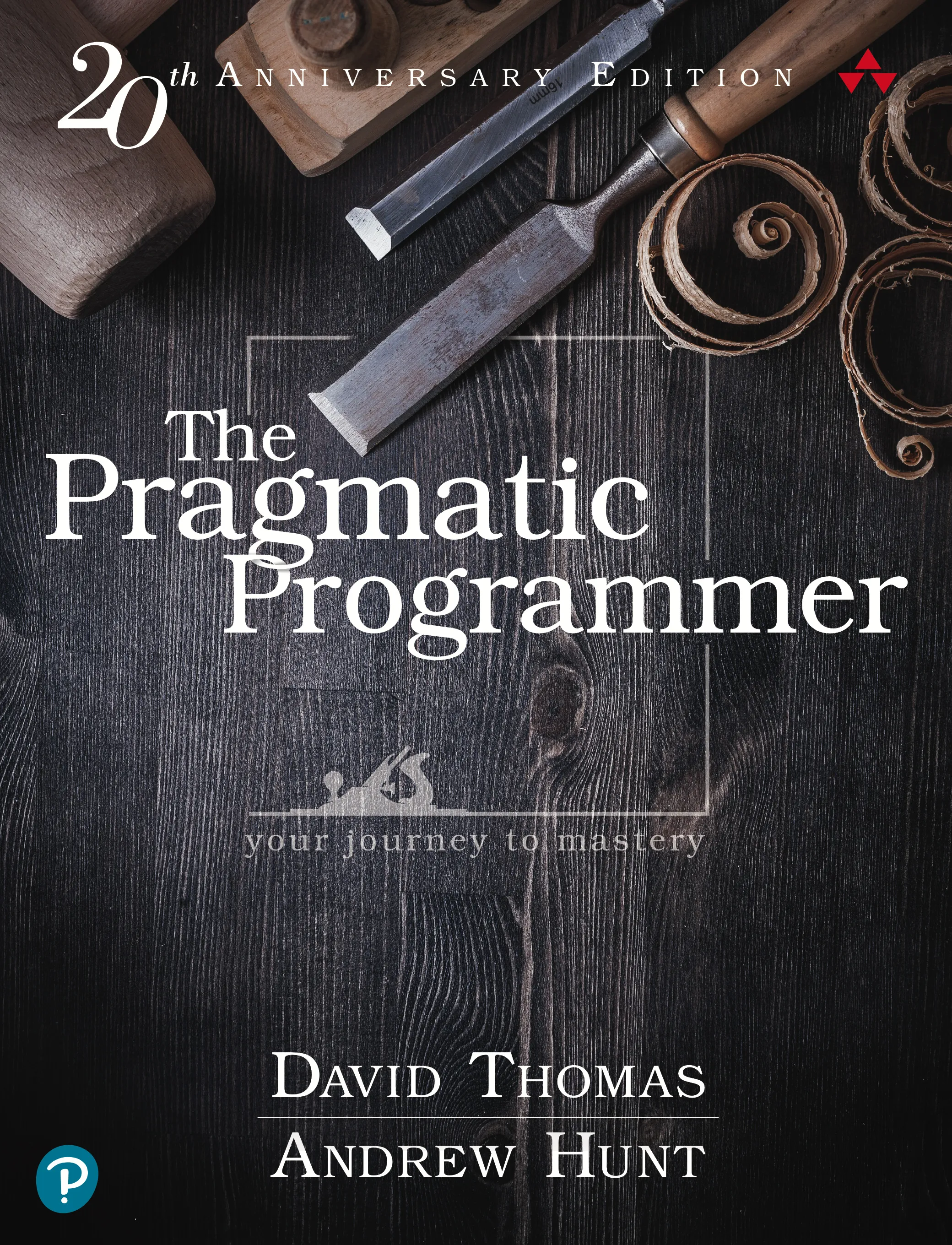
In a landscape flooded with programming books covering every conceivable language, framework, and technology, finding truly timeless wisdom is rare. Yet among this vast library, there exists one book that stands apart: The Pragmatic Programmer by Andy Hunt and Dave Thomas. After years of reading technical books, I can confidently say this is the single best book about programming in general, not because it teaches you a specific language or tool, but because it teaches you how to think like a professional programmer.
What Makes It Special
Most programming books focus on the "what" and "how": what syntax to use, how to implement a feature, which framework to choose. The Pragmatic Programmer goes deeper. It focuses on the "why" and the mindset that separates competent developers from exceptional ones. Published in 1999 and updated in 2019, the book has remained relevant across multiple technology generations because its principles transcend the tools of the moment.
The book is structured around practical tips and wisdom, but woven throughout is a central theme that transforms everything: take pride in your work.
The Core Message: Taking Pride in Your Work
This isn't about ego or arrogance. Taking pride in your work means:
- Craftsmanship over speed: Writing code that you're not ashamed to show others
- Continuous improvement: Always learning, always refining your skills
- Ownership: Taking responsibility for the quality of what you create
- Attention to detail: Caring about the small things that make a big difference
- Professional integrity: Standing up for quality even when it's easier not to
When you take pride in your work, you don't just write code that works. You write code that is maintainable, readable, and respectful of future developers (including yourself). You fix the broken windows before they multiply. You refactor when necessary, not just when convenient.
Key Concepts That Resonate
1. The Broken Window Theory
The authors introduce the concept that one broken window (a small design flaw, a quick hack, a known bug) invites more. When you take pride in your work, you fix these issues immediately. You don't let technical debt accumulate just because "it works for now."
2. DRY (Don't Repeat Yourself)
This principle goes beyond simple code duplication. It's about maintaining a single source of truth, whether that's in code, documentation, or processes. Taking pride means creating systems that are easier to maintain and less prone to inconsistency.
3. Orthogonality
The book emphasizes building systems from independent, decoupled components. When you care about the quality of your work, you naturally gravitate toward designs that are more flexible and less brittle.
4. Tracer Bullets vs. Prototypes
The pragmatic approach to development: build working end-to-end slices (tracer bullets) rather than isolated prototypes. This demonstrates pride in creating something real and functional, even if minimal, rather than perfect but incomplete designs.
5. Code Ownership
The book challenges the old notion of code ownership, advocating for collective responsibility. Taking pride means writing code that any team member can understand and maintain. Your code should be a gift to your team, not a puzzle to be solved.
The Pragmatic Philosophy in Practice
What makes this book truly transformative is how it frames programming not as a series of technical tasks, but as a craft. The authors treat software development as a profession worthy of respect, discipline, and continuous learning.
When you internalize the pragmatic philosophy:
- You become a better teammate: Your code is cleaner, your documentation is clearer, your communication is more effective
- You become more valuable: Employers and clients recognize the difference between someone who writes code and someone who crafts software
- You find more satisfaction: There's genuine joy in looking at code you've written and feeling proud of it
- You accelerate your career: Quality work creates opportunities and builds trust
Why It Stands the Test of Time
Technology changes rapidly. Languages come and go. Frameworks rise and fall. But the principles in The Pragmatic Programmer are timeless because they're about human behavior, professional standards, and the craft of software development, not the tools we use.
Whether you're writing JavaScript, Python, Rust, or something that doesn't exist yet, the principles remain true:
- Care about code quality
- Continuously learn and adapt
- Think critically about your work
- Take responsibility
- Take pride
Who Should Read This Book
This book is essential for:
- Junior developers: It will accelerate your growth and help you avoid common pitfalls
- Mid-level developers: It will refine your thinking and help you mentor others
- Senior developers: It will give you a framework for articulating best practices
- Anyone who wants to be proud of their code: It will transform how you approach your craft
Final Thoughts
The Pragmatic Programmer isn't just a book. It's a mindset. It's a challenge to elevate your standards and take pride in the code you write. In an industry where "move fast and break things" has become a common mantra, this book reminds us that there's profound value in moving thoughtfully and building things that last.
The major takeaway isn't a specific technique or pattern. It's something more fundamental: take pride in your work. Write code you're proud of. Build systems you're proud of. Maintain standards you're proud of. When you do this, everything else, including the techniques, the patterns, and the best practices, naturally follows.
If you read only one book about programming, make it this one. Not because it will teach you the latest framework or language feature, but because it will teach you to be a programmer you can be proud of.